English
 Español
Content
- 1 Inspecting the Chain Hoist Before Use
- 2 Selecting and Securing the Anchor Point
- 3 Rigging the Load Correctly
- 4 Operating the Hand Chain to Lift and Lower
- 5 Respecting Load Limits and Duty Cycle
- 6 Positioning Yourself Safely During Operation
- 7 Common Mistakes to Avoid During Operation
- 8 Routine Maintenance Between Uses
- 9 Who Should Follow These Operating Procedures Closely
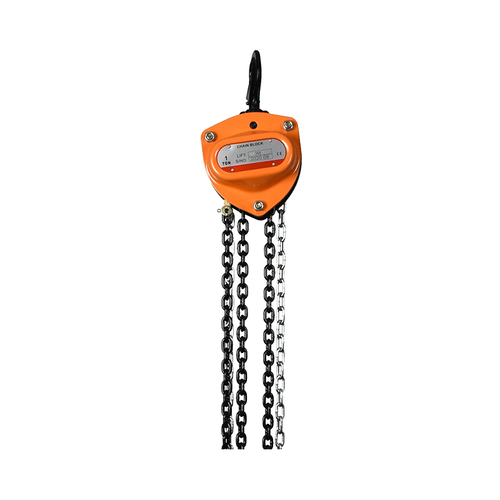
Using a chain hoist correctly involves inspecting the equipment and load before lifting, securely rigging the hook to a properly rated anchor point, pulling the hand chain steadily to raise or lower the load, and never exceeding the hoist's rated working load limit. Skipping any of these steps introduces significant safety risk, since chain hoists are used to lift substantial weight in industrial and construction settings where equipment failure can cause serious injury. Workplace safety guidelines commonly referenced in rigging and lifting operations emphasize that pre-use inspection catches the majority of preventable lifting incidents, making it one of the most important habits to build into every chain hoist operation, regardless of how routine the task may seem.
Inspecting the Chain Hoist Before Use
A thorough pre-use inspection is the foundation of safe chain hoist operation, since catching a worn or damaged component before lifting begins prevents the majority of equipment-related lifting incidents.
Key Inspection Points
- Check the load chain for visible wear, stretching, kinks, or damaged links along its full length
- Inspect the hook for cracks, deformation, or a widened throat opening that could indicate overload stress
- Test the braking mechanism by lifting a light load a short distance to confirm it holds position without slipping
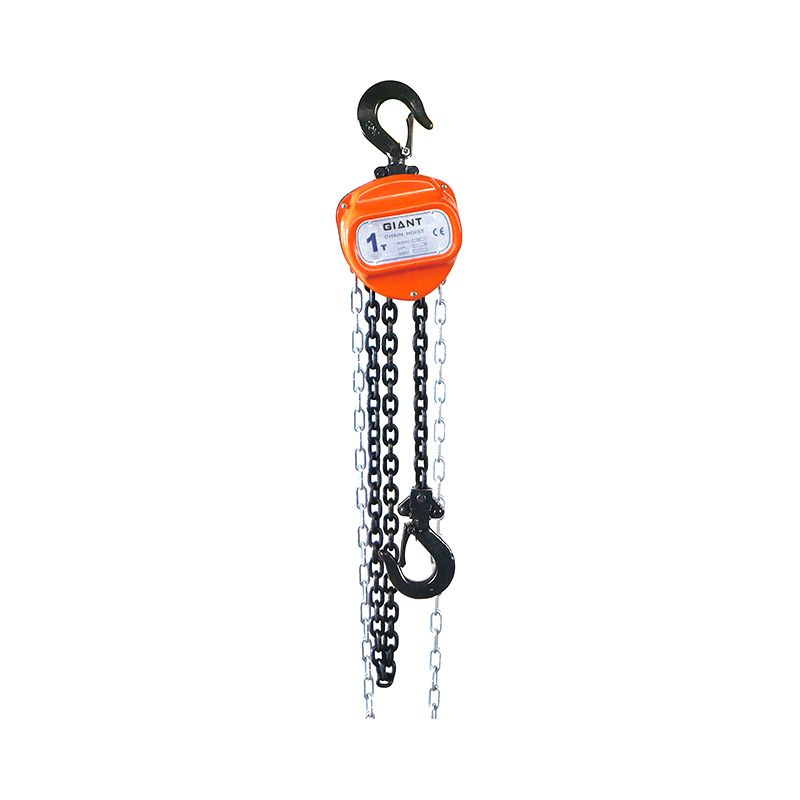
A well-maintained Chain Hoist should also have a clearly visible rated load capacity marking, and confirming this rating matches or exceeds the weight of the intended load is a critical step before any lifting operation begins.
Selecting and Securing the Anchor Point
The anchor point supporting the chain hoist must be structurally rated to handle both the load weight and the hoist's own weight, since an inadequate anchor point is one of the most serious risks in any lifting operation.
Anchor Point Requirements
| Anchor Consideration | Why It Matters |
| Rated load capacity of the structure | Must exceed combined weight of hoist and load |
| Secure hook engagement | Prevents accidental disengagement during lifting |
Never assume a beam, hook, or overhead structure can support the load without verification, since improvised or unrated anchor points are a common contributing factor in chain hoist related accidents across construction and industrial settings.
Rigging the Load Correctly
Proper rigging technique ensures the load remains balanced and stable throughout the lifting process, reducing the risk of shifting, swinging, or sudden load drops during operation.
Steps for Proper Rigging
- Position the hook or lifting attachment at the load's center of gravity to prevent tipping during the lift
- Confirm all rigging hardware, including slings or shackles, is rated for the load weight being lifted
- Ensure the hook latch, if equipped, is fully closed and engaged before beginning the lift
Taking time to properly balance the load before lifting prevents the dangerous swinging or shifting that can occur when a load is rigged off-center, particularly with irregularly shaped items.
Operating the Hand Chain to Lift and Lower
Once the hoist is properly rigged, operating the hand chain correctly ensures smooth, controlled movement of the load throughout the lifting and lowering process.
Proper Lifting Technique
Pull the hand chain steadily and continuously rather than in short, jerky motions, which helps maintain smooth load movement and reduces unnecessary stress on the chain and gearing mechanism inside the hoist housing.
Controlled Lowering Procedures
When lowering a load, maintain steady control of the hand chain rather than allowing it to run freely, since uncontrolled lowering can cause the load to descend too quickly, increasing both mechanical wear and safety risk to anyone working nearby.
Respecting Load Limits and Duty Cycle
Exceeding a chain hoist's rated capacity is one of the most dangerous operating mistakes, since it places stress on components beyond their engineered tolerance, increasing the risk of sudden mechanical failure.
Understanding Rated Capacity
The rated load capacity printed on the hoist represents the maximum safe working load under normal operating conditions, and this figure should never be treated as a target to approach closely but rather a firm upper limit that includes a built-in safety margin.
Managing Duty Cycle for Repeated Lifts
For operations involving frequent, repeated lifting throughout a shift, allowing brief rest periods between lifts helps prevent excessive heat buildup in the gearing mechanism, which can otherwise accelerate wear during continuous high-frequency use.
Positioning Yourself Safely During Operation
Operator positioning during a lift significantly affects overall safety, since standing in the wrong location can put a person directly beneath a suspended load or within the path of potential load swing.
Safe Operating Position Guidelines
- Never stand or walk directly beneath a suspended load at any point during the lift
- Position yourself to the side of the hand chain path, allowing clear visibility of the load
- Maintain awareness of nearby personnel and clear the immediate area before beginning a lift
Maintaining proper positioning while operating a Chain Hoist reduces the risk of injury in the rare event of chain failure or unexpected load movement during the lifting process.
Common Mistakes to Avoid During Operation
Even experienced operators can develop unsafe habits over time, and recognizing these common mistakes helps maintain consistent safety practices during routine chain hoist use.
Frequent Operator Errors
Using a chain hoist to drag a load horizontally rather than lifting it vertically places unintended side-loading stress on the hook and chain that the equipment was not designed to handle. Similarly, leaving a suspended load unattended, even briefly, creates an unnecessary safety risk if the area is not properly secured against unauthorized access.
Routine Maintenance Between Uses
Beyond pre-use inspection, periodic maintenance helps extend the operational life of a chain hoist and catch developing issues before they become safety concerns during active use.
Recommended Maintenance Practices
Lubricating the load chain according to manufacturer guidelines reduces friction wear during operation, while periodic inspection of the braking system by a qualified technician helps ensure consistent, reliable load holding performance over the equipment's full service life.
Who Should Follow These Operating Procedures Closely
Construction site workers, warehouse personnel, and industrial maintenance teams operating chain hoists regularly should follow these procedures as standard practice for every lift, regardless of how routine the task appears. New operators in particular benefit from hands-on training under experienced supervision before operating a chain hoist independently, since proper technique and safety awareness develop most effectively through guided practical experience combined with these foundational safety principles.