English
 Español
Content
- 1 The Core Mechanical Components Involved
- 2 How Gear Reduction Creates Mechanical Advantage
- 3 The Role of the Braking Mechanism
- 4 How the Load Chain Winds Around the Sprocket
- 5 The Lowering Process and Controlled Descent
- 6 Single Fall Versus Multiple Fall Chain Configurations
- 7 Manual Versus Electric Chain Hoist Mechanisms
- 8 Who Should Understand These Mechanical Principles
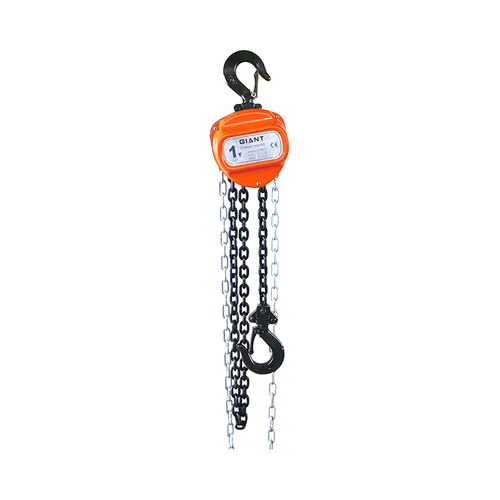
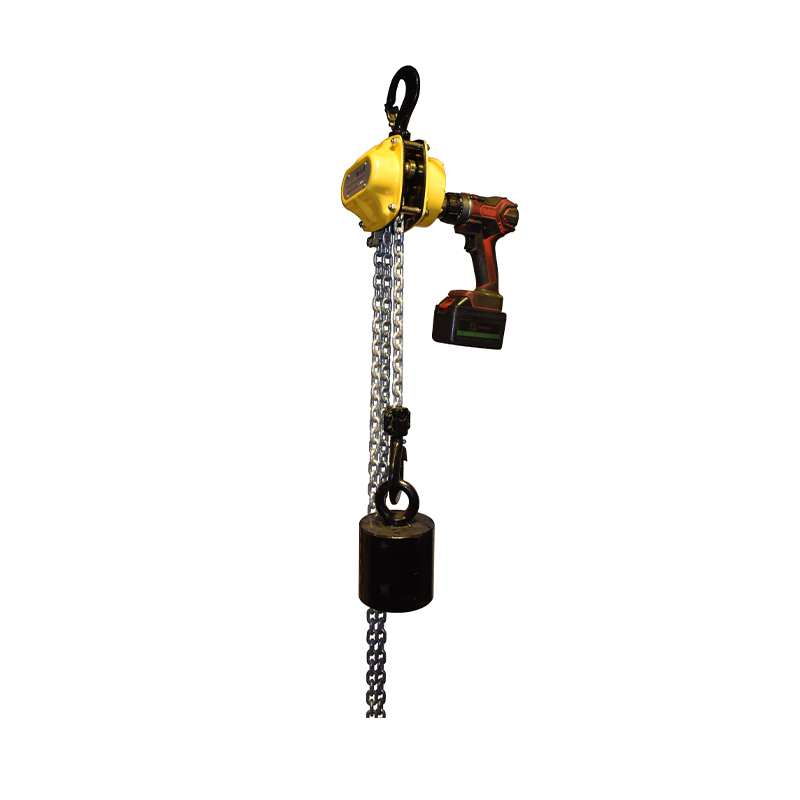
A chain hoist works by using a gear reduction system inside its housing that multiplies the force applied to the hand chain, allowing an operator to lift loads many times heavier than they could manually move on their own. As the operator pulls the hand chain, it rotates a small gear connected through a series of reduction gears to a load sprocket, which winds the load chain and raises the suspended weight in small, controlled increments. This mechanical advantage is what makes chain hoists practical for industrial and construction lifting tasks, since the gear ratio built into the hoist housing does the heavy work rather than relying on raw human strength alone. Mechanical engineering references commonly used in lifting equipment design show that a typical manual chain hoist can achieve a mechanical advantage ratio allowing an operator to lift loads of 1000 kilograms or more using only 30 to 40 kilograms of pulling force, illustrating just how significant this gear reduction effect is in practice.
The Core Mechanical Components Involved
Understanding how a chain hoist works starts with identifying the key internal components that work together to convert manual pulling force into a controlled, powerful lifting motion.
Primary Internal Components
- Hand chain wheel, which the operator pulls to initiate the lifting or lowering motion
- Gear reduction assembly, a series of interlocking gears that multiply the applied force
- Load sprocket and load chain, which physically wind and unwind to raise or lower the suspended load
Inside a well-engineered Chain Hoist, these components are precisely machined and assembled to work together smoothly, ensuring the mechanical advantage translates efficiently into controlled lifting motion rather than wasted energy through internal friction or misalignment.
How Gear Reduction Creates Mechanical Advantage
The gear reduction system is the true engineering heart of a chain hoist, converting a relatively small amount of hand-applied force into a much larger lifting force through a straightforward mechanical principle.
Understanding the Gear Ratio Effect
| Gear Ratio Example | Approximate Force Multiplication |
| 20:1 reduction | Roughly 20 times the applied hand force |
| 30:1 reduction | Roughly 30 times the applied hand force |
This means that for every full rotation of the hand chain wheel, the load chain moves a much smaller distance, trading speed for significantly increased lifting power, which is precisely the trade-off needed to lift heavy industrial loads using only manual effort.
The Role of the Braking Mechanism
A critical safety component within every chain hoist is its braking system, which prevents the load from free-falling once the operator stops pulling the hand chain, holding the suspended weight securely in place.
How the Brake Engages Automatically
- As the load pulls downward on the gear system, friction plates within the brake assembly engage automatically
- This friction resists the reverse rotation that gravity would otherwise cause, holding the load in position
- The operator must actively pull the hand chain in the lowering direction to disengage the brake gradually and controllably
This automatic braking behavior is what allows an operator to safely pause mid-lift without the load suddenly dropping, a critical safety feature that distinguishes a properly functioning chain hoist from a simple pulley system without built-in load holding capability.
How the Load Chain Winds Around the Sprocket
The load chain itself is engineered with specific link dimensions designed to mesh precisely with the pockets machined into the load sprocket, ensuring smooth, consistent winding as the hoist operates.
Why Precise Chain Fit Matters
If the load chain does not fit the sprocket pockets precisely, the chain can skip or bind during operation, creating jerky lifting motion or, in more serious cases, placing uneven stress on individual chain links that could accelerate wear or increase failure risk over time.
Chain Pocket Wheel Design
Manufacturers machine the sprocket's pocket wheel to match the exact pitch and link dimensions of the corresponding load chain, which is why chains and hoists are typically matched sets rather than universally interchangeable components across different manufacturers or models.
The Lowering Process and Controlled Descent
Lowering a load follows a similar mechanical principle in reverse, with the operator controlling the rate of descent by regulating how they pull the hand chain in the opposite direction.
How Controlled Lowering Works
Pulling the hand chain in the lowering direction gradually releases the brake's friction hold, allowing the gear system to rotate in reverse at a controlled rate proportional to how the operator manages the hand chain, rather than allowing gravity to take over entirely.
Why This Control Matters for Safety
This controlled release mechanism prevents the load from descending too rapidly, giving the operator precise control over positioning the load exactly where needed, whether setting it down gently or making small height adjustments during a rigging task.
Single Fall Versus Multiple Fall Chain Configurations
Beyond the basic gear reduction system, chain hoists can also be configured with multiple chain falls, using additional pulley sheaves to further increase lifting capacity beyond what the gear reduction alone provides.
How Multiple Falls Increase Capacity
- Single fall configurations offer straightforward, faster lifting for standard load capacities
- Double or triple fall configurations use additional pulley sheaves to distribute load across multiple chain runs
- Multiple fall setups increase overall lifting capacity, though they reduce lifting speed compared to a single fall system of the same hand effort
Selecting the appropriate fall configuration for a Chain Hoist depends on balancing the required load capacity against acceptable lifting speed, since more chain falls increase capacity but slow down how quickly the load rises with each pull of the hand chain.
Manual Versus Electric Chain Hoist Mechanisms
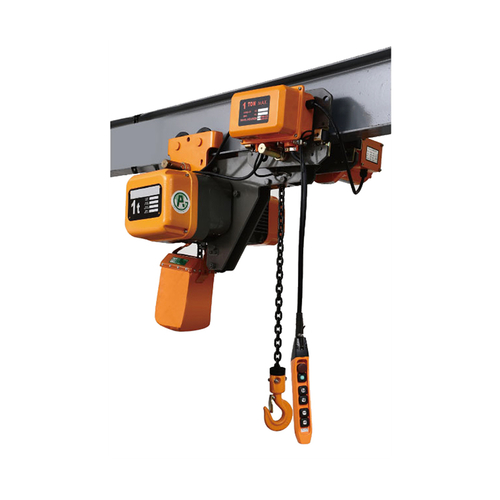
While the core lifting principle remains similar, electric chain hoists replace the hand chain input with a motor-driven system, offering a useful comparison for understanding the fundamental mechanics involved.
Key Mechanical Differences
Electric hoists use a motor to drive the same type of gear reduction and load sprocket system found in manual hoists, simply replacing human pulling force with motor torque, which allows for faster, more consistent lifting speeds particularly valuable in repetitive industrial lifting applications.
Who Should Understand These Mechanical Principles
Construction site supervisors, warehouse operations managers, and maintenance technicians who regularly specify or operate lifting equipment benefit from understanding these underlying mechanics, since this knowledge supports better decision-making around load capacity selection and proper equipment maintenance. New operators learning to use chain hoists also benefit from grasping how the gear reduction and braking systems work together, since this understanding reinforces why following proper operating procedures, such as steady, controlled hand chain pulling, directly protects both the equipment and personal safety during every lift.