English
 Español

Content
- 1 Crane winch versus hoist: the difference that shapes the whole specification
- 2 Line pull, drum capacity and duty cycle: fix these three numbers first
- 3 Brakes, gearboxes and the details that show up in year three
- 4 Matching the winch to the crane and the site
- 5 What to confirm before you release a purchase order
- 6 Installation and routine checks
A crane winch is often treated as a simple drum on a frame, but the numbers that decide whether it works are rarely the ones printed largest on the label. Rated pull, drum capacity and brake design determine whether the unit keeps a steady pull at full rope extension or starts to struggle once the drum fills. The short version: size the winch at the rope layer you will actually work from, keep at least three wraps on the drum, and match the duty cycle to the real working rhythm rather than to a peak figure on a spec sheet. The rest of this page explains why those three choices matter, and how they quietly change price, weight and service life.
Crane winch versus hoist: the difference that shapes the whole specification
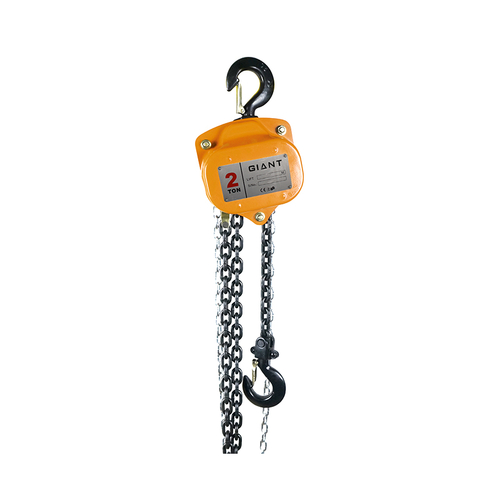
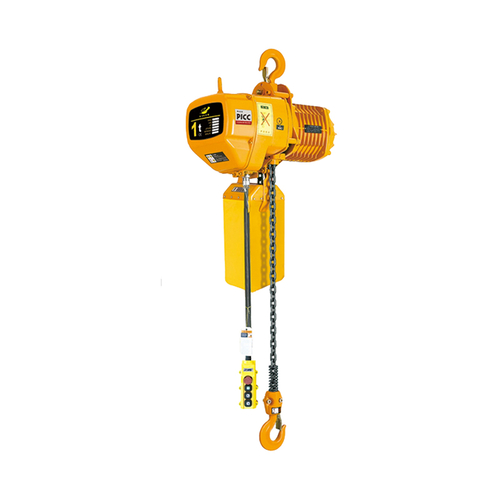
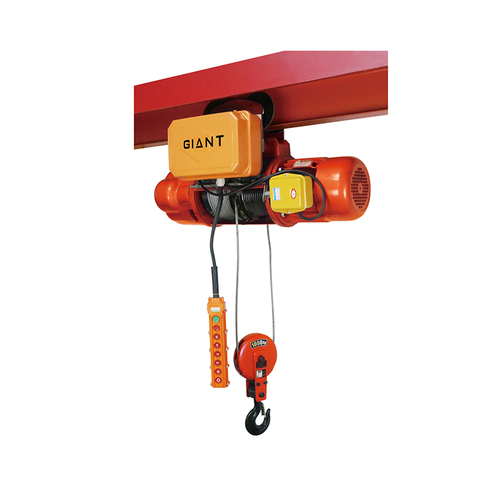
A winch pulls a load along the horizontal axis. Rope winds onto a drum and the load travels toward the machine, which is why winches are used for hauling, skidding, pulling and tensioning. A hoist is built around vertical lifting: the load hangs from a hook and travels up and down a fixed line. On a crane, the winch is usually the hoisting or luffing mechanism carried on the frame, so the same drum performs a lifting job using pulling hardware.
That distinction changes the brake question completely. A winch that only drags a load across the ground can sometimes rely on a self-locking worm gearbox to hold position. A winch lifting a suspended load cannot. It needs a brake that holds the load the instant power is cut, plus a separate service brake for controlled lowering. Ask any supplier which of the two you are being quoted, because the price difference is real and the safety difference is larger.
| Aspect | Crane winch | Hoist |
|---|---|---|
| Main motion | Pulls along the horizontal axis | Lifts and lowers vertically |
| Flexible element | Wire rope wound on a drum | Chain or wire rope in a compact frame |
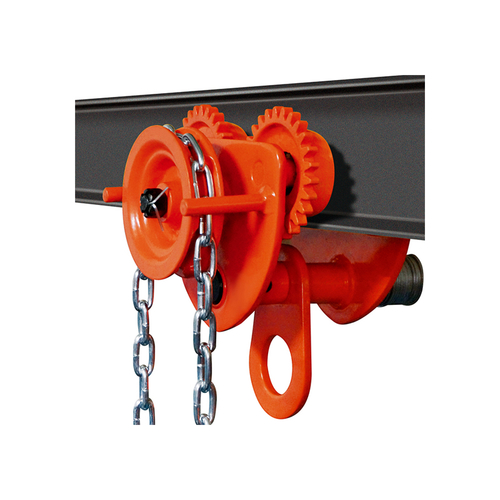
| Typical mounting | Crane frame, skid, truck bed, structural base | Trolley, beam clamp, hook suspension |
| Load holding | Holding brake plus service brake on lifting duty | Integrated brake inside the hoist body |
| Common duty | Wide range, from intermittent pulling to repeated lifting | Usually rated for frequent starts per hour |
| Typical use | Hauling, tensioning, luffing, material hoisting | Workshop, warehouse and assembly lifting |
Line pull, drum capacity and duty cycle: fix these three numbers first
Line pull at the working layer
Rated line pull is normally quoted at the first layer, with rope wound directly onto the bare drum. As rope builds up, the effective radius grows and the pull available at the same motor torque falls. A drum measuring 100 mm at the core and 200 mm at the top layer roughly halves the available pull by the time it is full. Buyers who compare a 5 tonne first-layer figure against a competitor's 4 tonne top-layer figure are not comparing the same thing. Ask for the pull at each layer, or at the very least at the layer you expect to work from.
Drum capacity and fleet angle
Drum capacity should be quoted as usable rope length, not total, and it should already include the three to five wraps you must leave on the drum at all times. The other half of drum design is how the rope lays. A grooved drum guides the rope mechanically. A smooth drum depends on the fleet angle, which should stay within roughly 2 degrees between the drum flange and the first sheave. If your crane geometry puts the sheave off to one side, the rope stacks against a flange, rubs, and wears out long before its rated life.
Duty cycle
Duty cycle describes how long the motor can run within a given period, usually written as a percentage such as 25 percent or 40 percent. A 25 percent rated winch is fine for intermittent positioning. If the crane lifts a load every 90 seconds through a full shift, a light duty unit will overheat, and the thermal cutout will decide your productivity for you. Specifying one size up is almost always cheaper than replacing a burnt motor and the downtime around it.
Brakes, gearboxes and the details that show up in year three
Three components separate a winch that lasts from one that returns as a warranty claim: the brake, the gearbox and the rope guide.
- Brake type: an electromagnetic disc brake that releases with power and engages on loss of power is the usual choice for lifting duty. Confirm the holding torque is comfortably above the rated load torque, not exactly equal to it.
- Gearbox: worm gearboxes are quiet and self-locking but less efficient. Planetary gearboxes are compact and efficient but depend entirely on the brake, so the brake specification becomes critical.
- Limit switches: a mechanical upper and lower limit switch stops the hook block before it reaches the drum or the frame. It costs very little and it is the first item an inspector will test.
- Enclosure rating: for outdoor or wash-down sites, IP55 or better on the motor and control box prevents the corrosion that starts inside a poorly sealed terminal box.
Matching the winch to the crane and the site
The same 5 tonne drum can be configured for very different jobs, so the application should drive the frame, the voltage and the control method. A full electric winch range covers everything from a fixed crane hoisting mechanism to a portable unit that travels between sites.
For repeated lifting of heavy loads on a fixed crane frame, a heavy duty machine built around a planetary gearbox and a load-holding brake makes more sense than a lighter unit pushed beyond its duty rating.
 KDJ-E3 Heavy Duty Electric Winch SeriesFor repeated lifting on fixed crane frames, this 1–5 t series offers an oil-lubricated gearbox, 36V contactor control and a high-strength mounting bracket.View Product →
On construction sites the pattern is different. Materials go up in short bursts, the winch is often bolted to a temporary frame, and the housing has to survive dust and rain. A building winch sized for intermittent hoisting of bricks, mortar and small components fits that rhythm better than a high-speed industrial unit.
 JM/JK Building Electric Winch SeriesFor intermittent construction hoisting, the JM slow and JK fast series cover 0.5T–16T and 0.5T–10T, with strong pulling and orderly cable arrangement.View Product →
Remote sites without reliable mains power push the decision another way. A battery powered winch removes the cable run and the generator, which is often the deciding factor on maintenance jobs, bridge work and field installation.
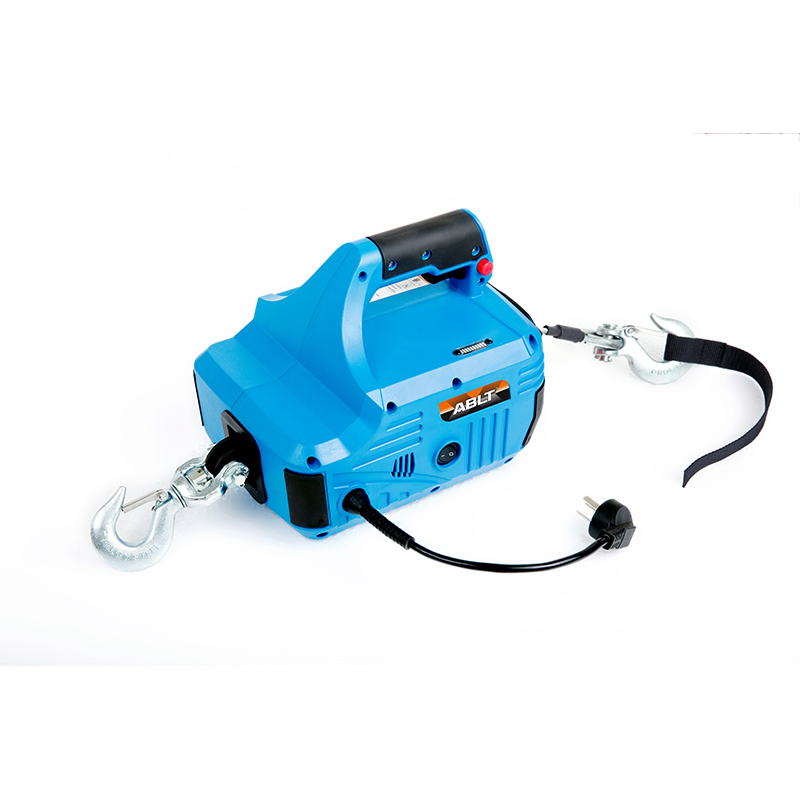 SLQ-B Battery Powered Electric WinchFor remote lifting and pulling without mains power, this handheld 1000 lb winch includes two 24 V battery packs and a 4.6 m wire rope.View Product →
Beyond those broad cases, the pattern of work is worth reviewing against common electric winch applications before you settle on a model, because a task that looks like pulling often turns out to be lifting duty once the load is suspended.
What to confirm before you release a purchase order
For importers and distributors, most problems at the port or at the customer's site trace back to details that were never written into the order. Work through this list before confirming.
- Voltage, phase, frequency and plug type, since a 380V 50Hz motor and a 440V 60Hz motor are different machines, not a setting.
- Line pull at the top layer and the usable rope length, stated separately from total drum capacity.
- Brake holding torque, and whether the gearbox is self-locking or brake dependent.
- Duty cycle and permitted starts per hour at the stated load.
- Ingress protection, surface finish and rope certification for the destination market.
- Spare parts availability: brake linings, limit switches, rope and drum flanges should all be orderable separately.
- Documentation and marking, so the unit clears customs and satisfies local inspection without a second shipment.
A supplier who can review the unit against the standards of your market, and provide test records alongside the goods, removes a large share of that risk before the container leaves.
Installation and routine checks
Most first-year failures trace back to installation rather than manufacture. Mount the winch on a flat, rigid base that can take the rated pull plus the dynamic factor, align the drum so the rope enters the first sheave within the fleet angle, and check the direction of rotation before attaching any load.
- Each shift: inspect the rope for broken wires and crushing, check the hook latch, and test both limit switches.
- Monthly: measure brake air gap against the manual, check foundation bolts for movement, and confirm lubrication on the drum bearings and gearbox.
- Annually: assess the rope against the discard criteria for broken wires within a lay length, and carry out a rated load test with a record kept on file.
There is no single best crane winch, only a winch whose drum, brake and duty rating match the way the crane will actually be used. Get layer-by-layer pull figures and the duty cycle in writing, confirm the brake can hold a suspended load, and keep three wraps on the drum at all times. Those habits prevent most of the expensive surprises, whether you are buying one unit for a workshop or a container load for a distributor.