English
 Español
Content
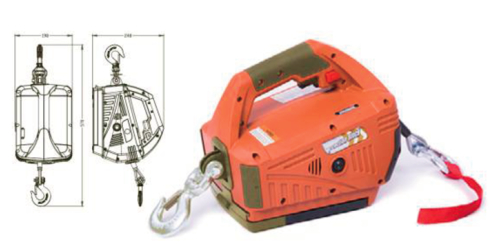
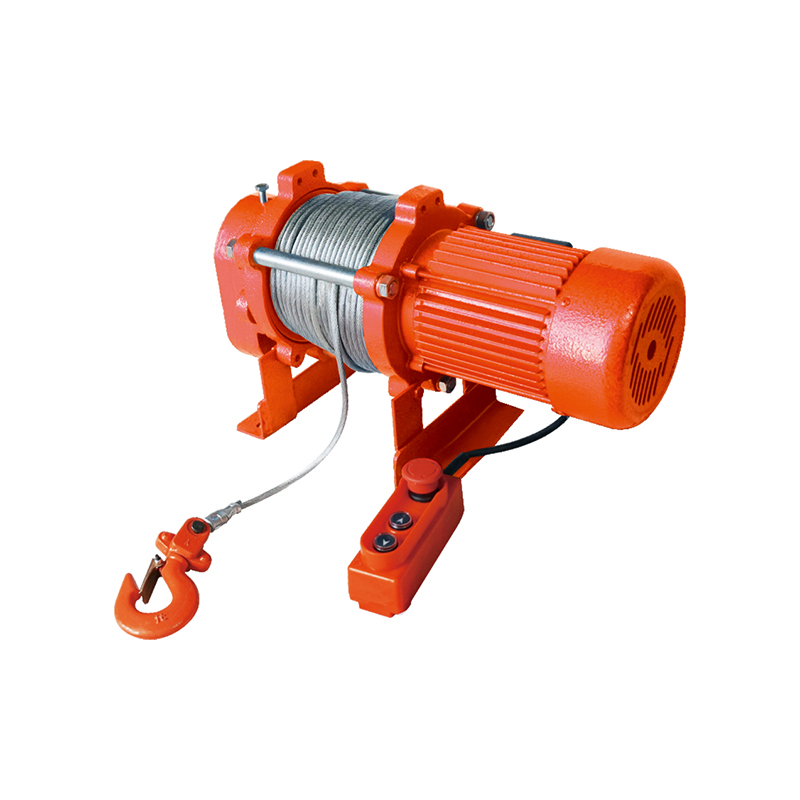
An electric winch is used to pull, lift, lower, or hold heavy loads using a motorized drum that winds or unwinds a steel wire rope or synthetic rope. It converts electrical energy into mechanical pulling force, enabling a single operator to move loads that would be impossible to shift manually. Electric winches are used across vehicle recovery, marine operations, construction, forestry, industrial manufacturing, and off-road recreational activities — wherever controlled, high-force pulling or lifting is needed without a full crane or hydraulic system.
Use 1: Vehicle Recovery and Off-Road Self-Recovery
Vehicle-mounted electric winches are the most widely recognized application. When a 4WD, truck, or SUV becomes stuck in mud, sand, snow, or on a steep incline, a front or rear bumper-mounted winch pulls the vehicle free by anchoring the rope to a tree, recovery anchor, or second vehicle and winding the drum.
Rated pulling capacities for vehicle winches typically range from 3,000 lbs (1,360 kg) for compact vehicles to 17,500 lbs (7,940 kg) or more for heavy trucks and commercial applications. A rule of thumb in the off-road community is to choose a winch rated at 1.5 times the gross vehicle weight of the vehicle it will recover. Electric winches powered by the vehicle's 12V or 24V battery system allow recovery operations without any separate power source.
Use 2: Construction and Industrial Material Handling
In construction and industrial settings, electric winches perform lifting, pulling, and positioning tasks where cranes are impractical:
- Raising materials to elevated work areas: Pulling scaffolding materials, steel beams, or equipment up to construction floors via a fixed overhead anchor point.
- Pulling heavy components into position: Moving prefabricated wall sections, machinery bases, or large structural elements horizontally across a site.
- Tensioning cables and guy wires: Electric winches apply controlled, measurable tension to structures, cables, and rigging systems during installation.
- Stage and theater rigging: Electric stage winches raise and lower set pieces, lighting rigs, and backdrops with controlled speed and smooth motion.
Use 3: Marine and Boat Winch Applications
Electric winches are standard equipment on boat trailers, docks, and vessels:
- Boat trailer launching and retrieval: A trailer-mounted electric winch pulls the boat up the trailer rollers from the water — eliminating the need for manual cranking of a heavy vessel, particularly important for larger boats above 1,000 kg.
- Anchor windlass: Electric anchor winches (windlasses) raise and lower anchor chain or rope on sailboats and powerboats, handling the full weight of chain and anchor — which can exceed 50 kg on larger vessels — without physical exertion.
- Mooring line handling: On commercial vessels, electric mooring winches take the strain of securing heavy dock lines, especially critical during strong tidal conditions.
Use 4: Forestry and Agriculture
Electric winches serve practical roles in land management and agricultural operations:
- Log skidding: Pulling felled trees from forest to loading area where vehicle access is impossible — either vehicle-mounted or fixed to a tractor's power take-off with a 12V or 24V motor conversion.
- Tree removal assistance: Winches apply directional tension to control which direction a tree falls during felling — a critical safety measure on confined properties.
- Fence post and stump pulling: Extracting embedded fence posts, stumps, or large rocks from land being cleared for cultivation or development.
Electric Winch Applications by Sector
| Sector | Primary Application | Typical Capacity Range |
|---|---|---|
| Automotive / off-road | Vehicle self-recovery and rescue | 3,000–17,500 lbs |
| Marine | Boat trailer retrieval, anchor windlass | 500–5,000 lbs |
| Construction | Material hoisting, component positioning | 1,000–10,000 lbs |
| Forestry | Log skidding, tree felling control | 2,000–8,000 lbs |
| Industrial / warehouse | Load positioning, equipment moving | 500–20,000+ lbs |
Factors That Determine Which Electric Winch to Use
- Rated line pull: Always choose a winch rated at minimum 1.5 times the expected maximum load weight. Never operate a winch at its rated limit continuously — rated capacity is typically tested on the first layer of rope on the drum; capacity decreases by approximately 15–20% per additional layer wound.
- Power supply: Vehicle-mounted winches draw from the vehicle's 12V or 24V battery and alternator. Industrial winches typically require 110V or 220V AC power. Match the power system to the available supply at the work location.
- Rope type: Steel wire rope offers higher durability and heat resistance. Synthetic rope (UHMWPE) is lighter, safer when it breaks (less energy stored), and floats in water — preferred for vehicle recovery in water crossings.
- Duty cycle: Light-duty winches designed for occasional recovery use are not suitable for continuous industrial pulling. Industrial winches are rated for sustained operation; vehicle recovery winches typically require cool-down periods between pulls.