English
 Español
Content
- 1 Lifting Height and Reeving Considerations
- 2 Load Capacity and Precision Control
- 3 Maintenance Requirements and Long Term Durability
- 4 Space Requirements and Installation Footprint
- 5 Cost Differences Between the Two Systems
- 6 Speed of Operation for High Throughput Facilities
- 7 Environmental Suitability
- 8 Making the Right Choice for Your Application
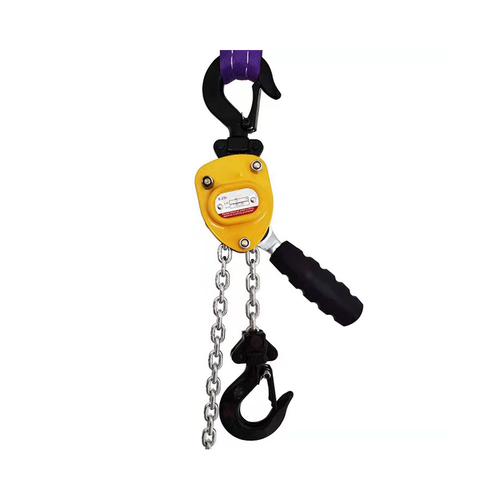
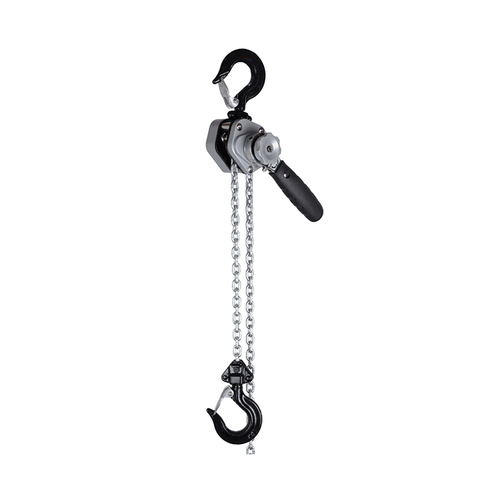
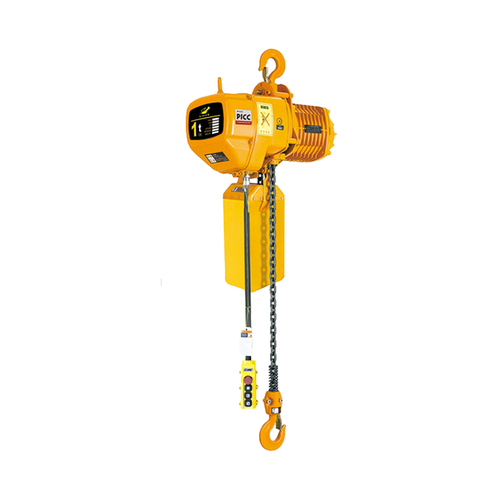
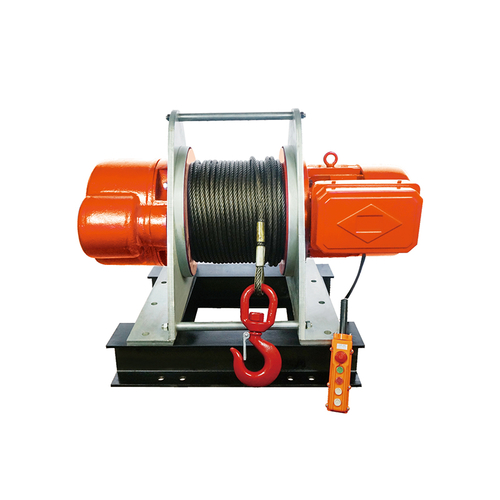
Neither option is universally better, since a chain hoist is generally the stronger choice for lower to moderate lifting heights requiring precise, incremental control, while a wire rope crane is better suited for very long lift heights and higher speed operations across large industrial facilities. Chain hoists offer a more compact footprint, lower maintenance needs, and finer positioning control, whereas wire rope systems typically handle greater lifting heights more efficiently and often support higher line speeds for large scale material handling. A well-built Chain Hoist is the more practical choice for most workshop, manufacturing, and moderate-height industrial applications, while wire rope cranes tend to be reserved for specialized high-lift or high-speed operations. The sections below compare both systems across the factors that matter most when choosing between them.
Lifting Height and Reeving Considerations
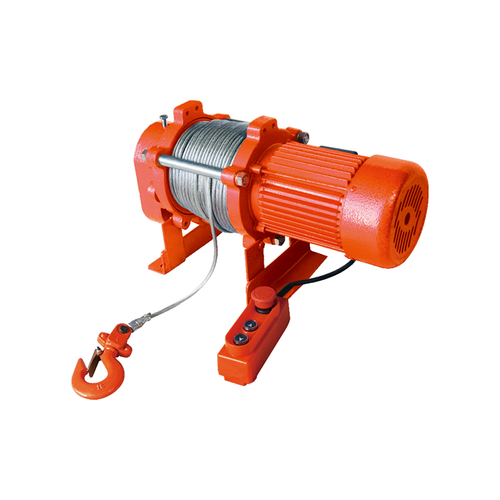
Wire rope systems generally have an advantage when lifting heights extend well beyond what a chain can practically or cost-effectively handle, since wire rope can be spooled onto a drum in long continuous lengths without the added weight and bulk that comes from accumulating chain length. Chain hoists remain effective and cost-efficient for most standard industrial lift heights, typically up to 30 meters or so depending on the model and chain configuration, but become progressively heavier and more expensive as required lift height grows significantly beyond this range.
When Height Becomes the Deciding Factor
- Standard workshop and warehouse ceiling heights favor chain hoists
- Very tall industrial structures or deep shaft lifting often favor wire rope systems
- Mid-range height applications can often go either way depending on other priorities
Load Capacity and Precision Control
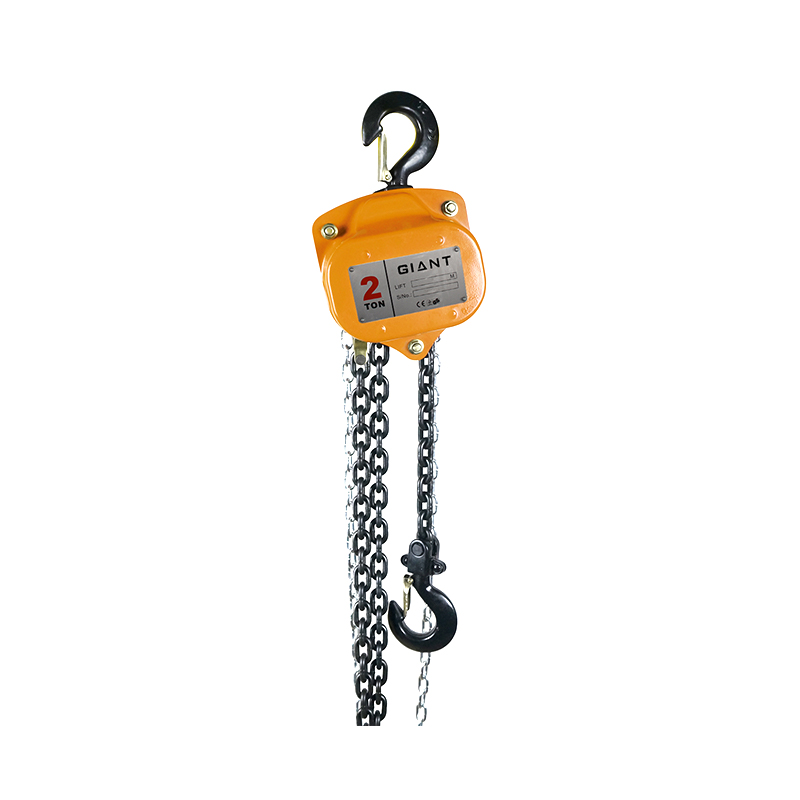
Chain hoists excel at precise, incremental positioning, since the gear reduction mechanism inside the hoist allows operators to move loads in small, controlled steps, which is particularly valuable for tasks like aligning machinery components or setting parts with tight tolerances. Wire rope cranes, while capable of handling very heavy loads and often reaching higher maximum capacities in large industrial applications, generally offer less fine-grained control at very slow speeds compared with a chain hoist's incremental gear-driven movement.
Precision Comparison
| Factor | Chain Hoist | Wire Rope Crane |
| Positioning Precision | High, incremental gear control | Moderate, less fine control at slow speeds |
| Typical Lift Speed | Slower, controlled movement | Faster, suited to high throughput operations |
| Maximum Practical Capacity | Up to 50 tons in common models | Often higher in large industrial crane systems |
Maintenance Requirements and Long Term Durability
Chain hoists generally require less frequent and less specialized maintenance than wire rope systems, since load chains can be visually inspected for wear or elongation without specialized testing equipment, while wire rope requires more careful inspection for broken strands, corrosion, and internal wire fatigue that is not always visible from the outside. Industry inspection standards commonly recommend replacing a chain once pitch elongation exceeds around 5 percent, a straightforward measurement compared with the more complex wire rope inspection criteria involving strand counts and wire breaks per lay length.
Maintenance Comparison
- Chain wear is easier to visually assess and measure in the field
- Wire rope requires more detailed inspection for internal and external wire damage
- Chain replacement is generally simpler and faster than wire rope replacement
Space Requirements and Installation Footprint
Chain hoists typically have a more compact design than wire rope hoist systems of similar capacity, since the chain accumulates in a compact chain bag or box rather than requiring a large drum to spool wire rope. This makes chain hoists particularly well suited to facilities with limited headroom or tight ceiling clearance, where a bulkier wire rope drum assembly might not fit practically.
Space Considerations by Facility Type
- Small to mid-sized workshops with limited overhead clearance favor chain hoists
- Large industrial facilities with ample overhead space can accommodate either system
- Retrofitting older buildings often favors the more compact chain hoist design
Cost Differences Between the Two Systems
Chain hoists generally carry a lower upfront purchase price than comparable wire rope crane systems, particularly at lower to moderate load capacities, making them a more budget-friendly option for facilities that do not require the extended lift heights or higher speeds that justify a wire rope system's added cost. Wire rope systems tend to become more cost-competitive at very high capacities or when extended lift height is a hard requirement, since chain hoist costs and weight both scale up disproportionately as chain length increases significantly.
Cost Factors to Weigh
| Cost Factor | Chain Hoist | Wire Rope Crane |
| Upfront Purchase Cost | Lower at moderate capacities | Higher, especially for large systems |
| Ongoing Maintenance Cost | Generally lower | Higher due to more complex inspection needs |
| Cost Efficiency at Extreme Height | Decreases as height increases | Improves relative to chain at high lift heights |
Speed of Operation for High Throughput Facilities
Wire rope cranes often achieve higher lifting speeds than chain hoists, which can be an important factor in high throughput environments such as large distribution centers or steel processing facilities where cycle time directly impacts overall productivity. Chain hoists, by contrast, are generally optimized for controlled, deliberate movement rather than raw speed, which makes them better suited to applications where precision matters more than how quickly a load moves from point to point.
Environmental Suitability
Chain hoists tend to perform well in harsher environments involving dust, extreme temperatures, or outdoor exposure, since heat-treated alloy steel chain resists these conditions effectively and can be visually inspected for damage relatively easily even after exposure to rough handling. Wire rope, while also durable, can be more susceptible to corrosion in certain environments if not properly maintained, since moisture trapped within the rope's internal strands can be harder to detect and address than surface wear on a chain.
Making the Right Choice for Your Application
Deciding between a chain hoist and a wire rope crane ultimately comes down to matching the system to specific project requirements, including required lift height, load capacity, available space, and how much emphasis is placed on precise positioning versus operating speed. For most standard workshop, manufacturing, and moderate-height industrial lifting tasks, a well-built Chain Hoist offers the better balance of precision, durability, and cost efficiency, while wire rope cranes remain the more practical choice for specialized applications involving very tall lift heights or high-speed, high-volume material handling operations.