English
 Español
Content
- 1 High Load Capacity in a Compact Design
- 2 Precise Load Control During Lifting
- 3 Durability in Harsh Industrial Environments
- 4 Lower Maintenance Requirements Compared to Wire Rope Systems
- 5 Manual and Electric Options for Different Needs
- 6 Cost Effectiveness Over the Equipment Lifespan
- 7 Safety Features Built Into Modern Chain Hoists
- 8 Versatility Across Multiple Industries
- 9 Choosing the Right Chain Hoist for Your Application
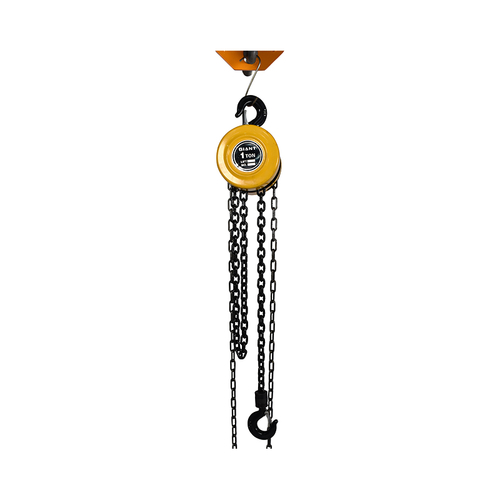
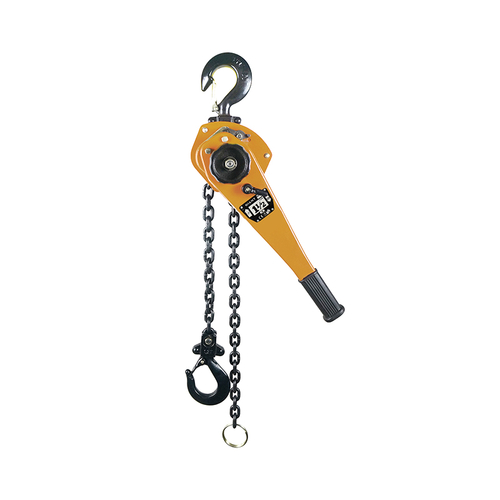
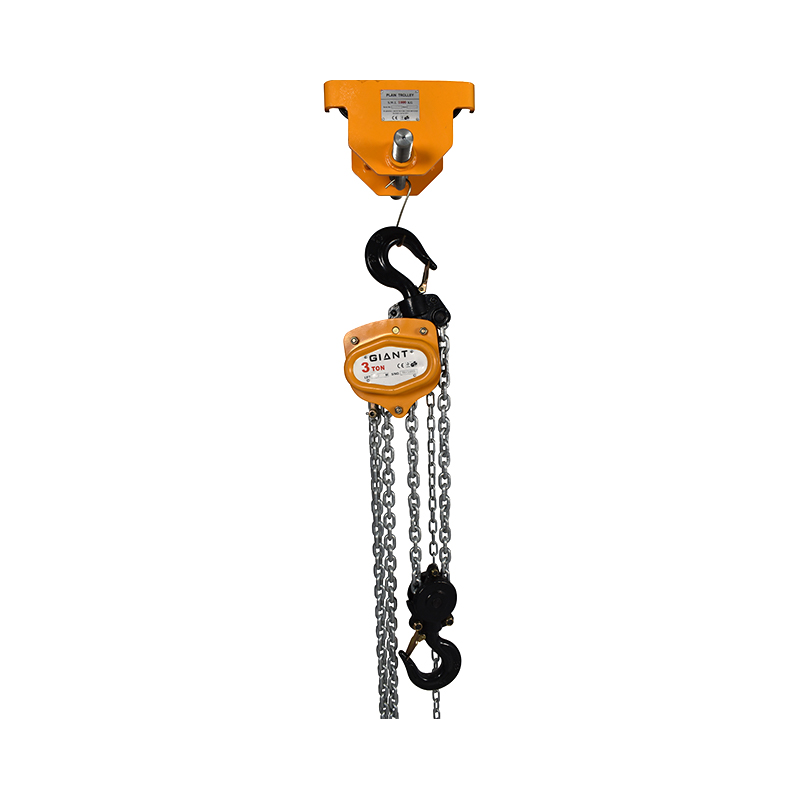
A chain hoist offers several key advantages over other lifting methods, including high load capacity relative to its size, precise incremental control during lifting and lowering, strong durability in demanding industrial environments, and lower maintenance requirements compared with wire rope alternatives. These qualities make chain hoists a preferred choice across manufacturing, construction, warehousing, and maintenance applications where reliable, repeatable lifting performance matters. A well-engineered Chain Hoist combines these advantages into a compact, dependable lifting solution suited to a wide range of industrial tasks. The sections below explore each advantage in detail, along with practical guidance on where chain hoists perform best.
High Load Capacity in a Compact Design
Chain hoists are known for delivering substantial lifting capacity relative to their physical size, with common industrial models rated to lift loads ranging from 500 kilograms up to 50 tons or more, depending on the chain grade and gear reduction ratio used in the mechanism. This makes them well suited for facilities with limited overhead space where a bulkier lifting system would be impractical.
Why Compact Size Matters
- Easier installation in tight workshop or warehouse ceiling spaces
- Lower headroom requirements compared with some wire rope hoist systems
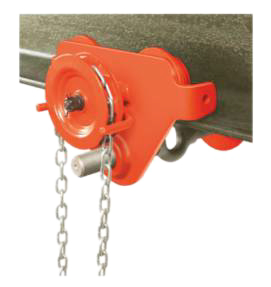
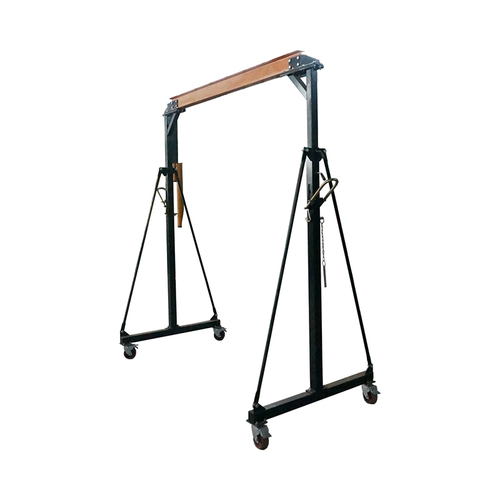
- Simplified mounting on existing beams, trolleys, or gantry structures
Precise Load Control During Lifting
The gear reduction mechanism inside a chain hoist allows operators to lift and lower loads in small, controlled increments, which is particularly valuable when positioning heavy components with tight tolerances, such as aligning machinery parts or setting structural elements during installation. Manual chain hoists achieve this control through a hand chain that operators pull to advance the load gear by gear, while electric chain hoists use motor-controlled speed settings to achieve similarly fine positioning.
Applications Requiring Precise Control
- Aligning heavy machinery components during installation or repair
- Positioning structural steel beams during construction assembly
- Lowering delicate or fragile loads at a controlled, steady rate
Durability in Harsh Industrial Environments
Load chains used in chain hoists are typically manufactured from high grade alloy steel, commonly Grade 80 or Grade 100 chain, which is heat treated to resist wear, fatigue, and deformation under repeated heavy lifting cycles. This construction allows chain hoists to withstand the dust, temperature extremes, and rough handling common in foundries, steel mills, and outdoor construction sites far better than lifting equipment reliant on more exposed components.
Chain Grade Comparison
| Chain Grade | Relative Strength | Common Use |
| Grade 80 | Standard industrial strength | General lifting and rigging applications |
| Grade 100 | Higher strength to weight ratio | Heavy duty and space-constrained lifting |
Lower Maintenance Requirements Compared to Wire Rope Systems
Chain hoists generally require less frequent maintenance than wire rope hoists, since load chains do not fray or develop broken strands the way wire rope can over time, and visual inspection for chain wear or elongation is a relatively straightforward process. Routine inspection standards commonly reference measuring chain elongation against the manufacturer's specified limit, often around a 5 percent increase in pitch length, as the threshold indicating the chain should be replaced.
Typical Maintenance Tasks
- Visual inspection of chain links for wear, deformation, or corrosion
- Lubricating the chain periodically to reduce friction and wear
- Checking hook and load block components for cracks or excessive wear
- Testing brake function on both manual and electric models
Manual and Electric Options for Different Needs
Chain hoists are available in both manual and electric configurations, giving buyers flexibility to match the equipment to their specific power access, budget, and usage frequency requirements. Manual chain hoists require no electrical connection and are well suited to occasional lifting tasks or locations without power access, while electric chain hoists offer faster lift speeds and reduced physical effort for facilities with frequent, repetitive lifting needs.
Manual vs Electric Comparison
| Type | Best Suited For | Power Requirement |
| Manual Chain Hoist | Occasional lifting, remote or unpowered locations | None |
| Electric Chain Hoist | Frequent, repetitive lifting operations | Standard electrical supply |
Cost Effectiveness Over the Equipment Lifespan
Compared with more complex lifting systems, chain hoists generally offer a lower total cost of ownership due to their simpler mechanical design, fewer moving parts prone to failure, and widely available replacement components such as chains and hooks. This combination of lower upfront cost and reduced long term maintenance expense makes chain hoists an attractive option for facilities managing tight capital equipment budgets without sacrificing lifting reliability.
Safety Features Built Into Modern Chain Hoists
Most modern chain hoists include several built-in safety mechanisms designed to prevent accidents and equipment damage during operation, which is particularly important given the heavy loads these tools are designed to handle. Overload protection systems automatically stop lifting operations if the load exceeds the hoist's rated capacity, while braking systems hold the load securely in place if power is lost or the hand chain is released mid-lift.
Common Safety Features
- Overload protection that halts lifting beyond rated capacity
- Automatic braking to hold loads securely if power or manual force stops
- Upper and lower limit switches on electric models to prevent over-travel
- Safety latch hooks that prevent accidental load disconnection
Versatility Across Multiple Industries
Because chain hoists are available in such a wide range of load capacities and configurations, they are used across an unusually broad set of industries, from automotive repair shops lifting engines to shipyards handling heavy machinery components. This versatility means a single hoist design category can serve very different operational needs simply by selecting the appropriate capacity and control type for the task.
Common Industry Applications
- Manufacturing plants for positioning heavy components on assembly lines
- Construction sites for lifting structural steel and equipment
- Automotive and machinery repair shops for engine and part removal
- Warehousing operations for moving palletized or oversized goods
Choosing the Right Chain Hoist for Your Application
Selecting the right chain hoist involves matching load capacity, lift height, and control type, manual or electric, to the specific demands of the task at hand, since an undersized hoist creates safety risks while an oversized unit adds unnecessary cost and bulk. A well-built Chain Hoist designed with appropriate chain grade, overload protection, and a capacity range suited to the intended application gives facilities a dependable lifting solution that balances performance, safety, and long term cost efficiency.