English
 Español
Content
In the fast-paced world of construction, manufacturing, and heavy logistics, efficiency isn't just a goal—it’s a necessity. For years, engineers and site managers have grappled with a recurring question: “How can we lift heavy loads safely when the working space is cramped or the angle is awkward?”
Traditional hoists often require the operator to stand directly beneath or in a straight line with the unit, which isn’t always possible or safe. The industry has been waiting for a tool that breaks these linear constraints. The answer has arrived in the form of a revolutionary design that prioritizes both the safety of the operator and the flexibility of the machine.
Breaking the 360-Degree Barrier
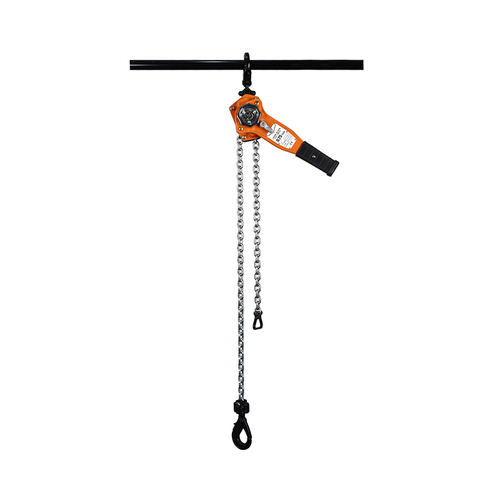
The most significant advancement in recent lifting technology is the ability to operate from any angle. Most standard chain hoists require the hand chain to be pulled vertically. However, the 360 Degrees Chain Hoist has changed the game.
This innovative design features a rotating hand chain guide that allows the operator to stand away from the load—or even above it. Whether you are working in a tight corner, a narrow trench, or a crowded factory floor, you can pull the chain from any direction without the risk of the chain jamming or the hoist malfunctioning. This 360-degree range of motion doesn’t just add convenience; it significantly enhances worker safety by allowing personnel to maintain a safe distance from the "fall zone" of the heavy load.
Reducing Physical Strain with Advanced Engineering
One of the most frequent complaints from manual laborers is the sheer physical force required to lift multi-ton loads. High friction in older models means more "elbow grease" is needed to get the job done.
To solve this, the latest patent-protected models are now equipped with high-precision axletrees (specialized bearings). This internal upgrade reduces the friction of the rotating parts significantly. What does this mean for the user?
-
Less Effort: A dramatic reduction in the hand-pulling force required to lift the same weight.
-
Smoother Operation: No more jerky movements; the lift is fluid and controlled.
-
Longer Shifts: Operators experience less fatigue, meaning they can stay productive and focused throughout the day.
Built for Durability: From Hook to Chain
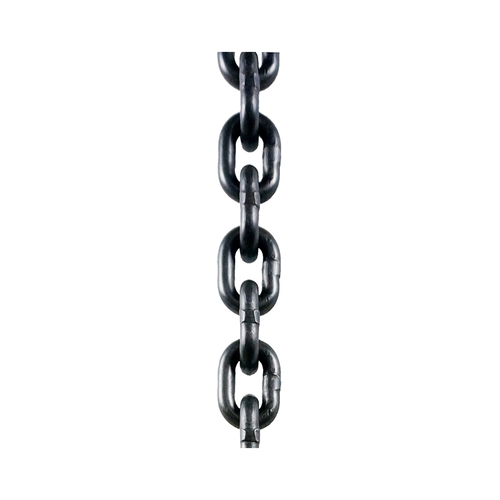
A hoist is only as strong as its weakest link. To ensure maximum longevity, these new units utilize premium grade alloy load chains. These chains are designed to withstand immense tension while remaining resistant to wear and tear. Furthermore, the hand chains are zinc-plated as standard, providing a layer of protection against rust and corrosion—essential for outdoor sites or humid warehouse environments.
The hooks themselves are a feat of engineering. They are drop-forged and expertly heat-treated, ensuring they won't snap or deform under pressure. In the rare event of extreme stress, these hooks are designed to yield slowly rather than break suddenly, providing a vital visual warning to the operator.
Key Structural Features:
| Feature | Benefit |
| Robust Safety Latches | Prevents accidental unhooking of the load. |
| 360° Rotating Hooks | Allows for easy positioning and prevents chain twisting. |
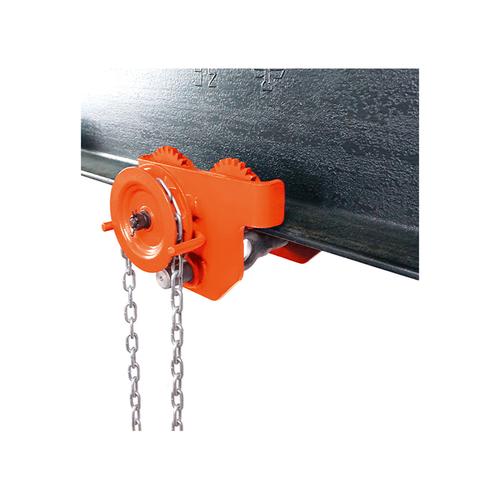
| Easy Backout Design | Special hook geometry allows for quick removal and direct trolley installation. |
Scalability for Any Project
Whether you are lifting a small engine in an auto shop or a massive turbine in a power plant, there is a configuration available. The standard capacity ranges from 0.5 tons to 20 tons. For those massive industrial projects, heavy-duty versions are available in 30-ton and 50-ton capacities.
Furthermore, for companies that prioritize strict safety protocols, these units can be fitted with an overload limiter. This device prevents the hoist from lifting weights beyond its rated capacity, protecting both the equipment and the staff from potential accidents.
Why This Innovation Matters for Your Bottom Line
Investing in high-quality lifting equipment is about more than just moving boxes. It is about reducing downtime caused by equipment failure and minimizing the risk of workplace injuries. The ability to install these hoists directly onto trolleys without complex modifications makes them one of the most versatile tools in any rigging kit.
By choosing a design that allows for 360-degree operation and reduced pulling force, companies are seeing faster turnaround times on projects and higher employee satisfaction. It turns a grueling two-person job into a manageable task for one.
The Future of Manual Lifting
As we move toward 2026, the trend in industrial tools is clearly leaning toward "smart" manual design—tools that work with the human body rather than against it. The revolutionary design of the 360-degree rotating hoist is a testament to this shift. It proves that even the most traditional tools can be reimagined to meet the demands of modern safety and efficiency.
If your job site is still struggling with rigid, old-fashioned lifting methods, it might be time to look into the freedom that a full-circle rotation can provide.