English
 Español
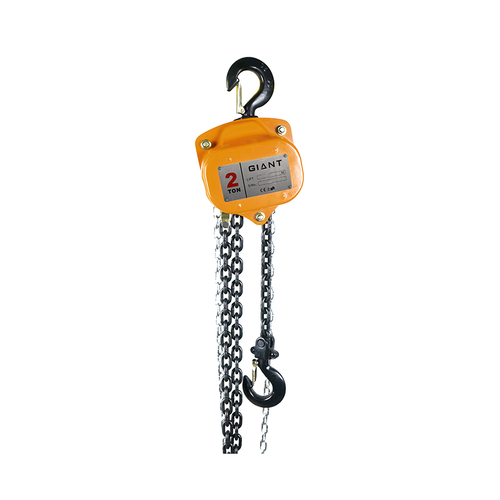
Chain breakage is an extremely dangerous fault. If it occurs, you must immediately stop using the hoist and handle the situation carefully.
1. Immediate action: Immediately stop the machine and remove the load
Explanation: Chain breakage is usually accompanied by a strong impact sound and the sudden dropping of the load. If the machine is not stopped immediately, the undamaged chain links may continue to be stressed, leading to further chain breakage or causing the hook to fly off, resulting in serious personal injury.
Solution: Immediately press the power switch or pull the emergency stop device to ensure that the chain stops moving. 1. Do not attempt to pull the broken chain with your hands to avoid injury.
2. Troubleshooting: Chain jamming and wear
Explanation: Chain breakage usually doesn't happen without a reason. Common causes include chain kinking, hook jamming (such as getting caught on an edge or clip), or chain wear leading to metal fatigue.
Solution:
Handling jamming: If the breakage is caused by jamming, a special unjamming tool (such as a pulley unjammer) must be used, not forceful pulling.
Checking for wear: Check if the chain links show obvious wear, stretching, or notches. If the breakage is due to long-term wear, it means the chain has reached its end of life.
3. Strictly prohibit on-site repair: Replace the chain
Explanation: Once a chain breaks, its structural integrity is compromised. It is strictly forbidden to use glue, welding, or other temporary measures for on-site repair. Because the chain is a critical component that withstands high impact loads, any incomplete repair will lead to secondary breakage and pose a fatal danger.
Solution: Immediately contact professional maintenance personnel or the supplier. The usual procedure is to replace the entire chain. Remember, before replacing the chain, a comprehensive inspection of other parts of the hoist (such as gears, pulleys, and brakes) must be performed.
.jpg?imageView2/2/w/500/h/500/format/jpg/q/100)